All Categories
Featured


Calculating Workplace Wellness Initiative Budgets
Table of Contents
Companies are adopting transparency tools that permit staff members to compare costs and providers, empowering smarter healthcare choices. Many organizations are likewise broadening value-based care and virtual-first health care options to improve outcomes while managing expenses. Family and caretaker support is no longer optionalit's essential. Companies are broadening child care, eldercare, and household leave advantages to decrease stress and aid employees balance work and life.
The hybrid labor force is here to remain., virtual collaboration tools, and equitable work environment policies, ensuring every worker feels supported, linked, and valued. Our ingenious innovation enhances advantages administration, links information throughout platforms, and supplies AI-powered insights that assist employers design smarter, more customized advantages strategies.
The information in this blog site post is for educational functions only. It is illegal, tax or investment guidance. For legal, tax or financial investment recommendations, you must consult your own legal counsel, tax and investment consultants.
Expense Management Strategies for Modern Benefits
Spending plans are tighter in 2026. Staff members are louder about what they anticipate.
Group Critical Illness InsuranceThis guide breaks down 30 useful advantage concepts throughout health, monetary, flexibility, and recognition categories, so you can construct a plan that fits your workforce rather of copying a generic template. We'll likewise cover how to choose the ideal mix and where to get professional assistance, including insight from Muneris Benefits, a worker advantages advisor serving employers throughout Virginia and West Virginia.
In WTW's 2024 Global Advantages Mindsets Survey, employees ranked pay, task security, and health advantages as their leading 3 factors for remaining in or accepting a job, with 36% citing health benefits specifically. Offering benefits isn't enough. MetLife's 2024 research study found 65% of employees desire benefit interaction throughout the year, not just throughout open registration, which number reaches 68% among Gen Z workers.
According to the Bureau of Labor Statistics, advantages made up in March 2026, averaging $14.01 per hour per employee. Health-related coverage is still the foundation of any benefits plan, but expectations have actually moved past medical-only plans.
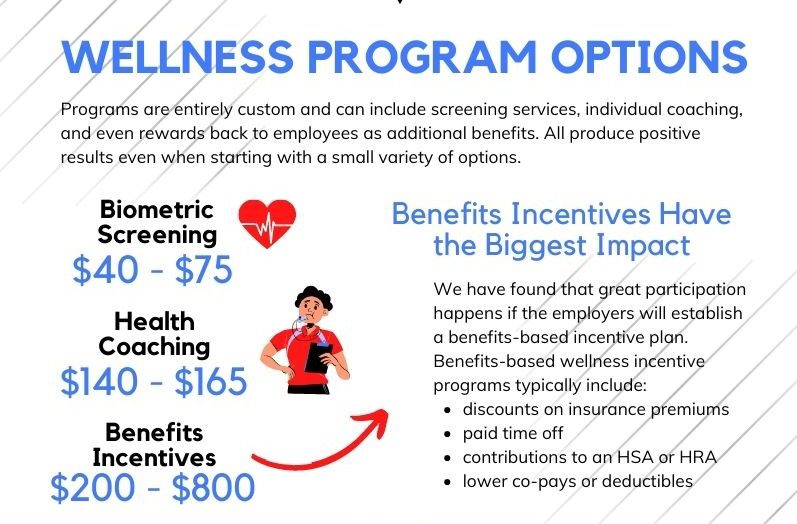
Optimizing Workplace Wellness Program Budgets
Let staff members put funds toward physical fitness, nutrition, or mindfulness rather of a single health club network. Numerous companies still bundle fundamental life and impairment defense so families have earnings assistance after a severe health problem, injury, or death.
A low-priced voluntary add-on that resonates with more youthful and pet-owning staff members. Low-cost group rates with high viewed value as cyber and fraud threats grow. Payroll-deduction access to assist with wills, household law, and real estate problems. Tax-advantaged dollars for qualified medical expenses. SHRM's 2025 survey found 61% of companies now use an HSA.
Building a balanced mix of medical, pharmacy, and associated group benefits is where numerous employers get stuck. Monetary tension is one of the biggest distractions employees bring into the workday.
Still one of the most valued non-medical benefits, especially when coupled with employee education on how to utilize it. Budgeting tools, debt therapy, and emergency situation savings assistance. SHRM discovered 33% of companies now provide non-retirement monetary advice online. Appeals to younger workers even at modest contribution levels. SHRM reported adoption increased to about 9% of organizations in 2024, up from 7% in 2022.
Group Critical Illness Insurance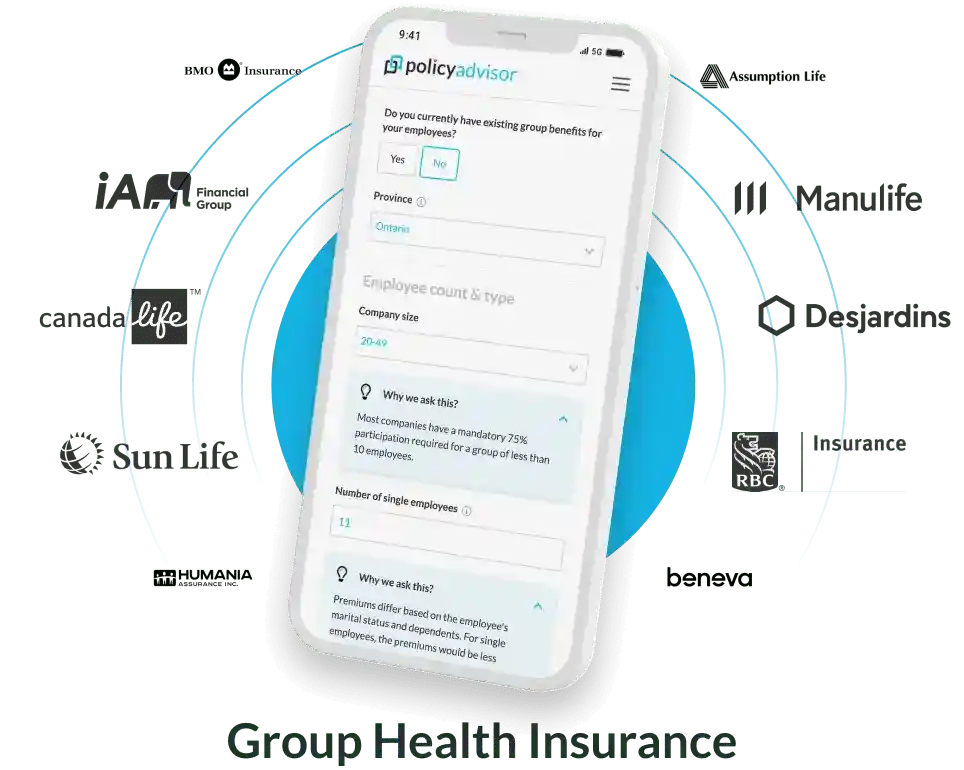
Navigating Upcoming Employee Benefits Planning
Flexible financing for courses, accreditations, and conferences. Particularly appropriate for startups and growth-stage business building an ownership culture. Strengthens efficiency and recognizes achievement directly. Inexpensive collaborations that add real cost savings on daily purchases. Pairing workers with coaches supports retention and keeps institutional understanding inside the company. Appeals to staff members preparing ahead for their kids' education.
Those alternatives fit into an advantages bundle built around the labor force and the spending plan. SHRM found 63% of companies now provide hybrid work. Separating trip, ill, and psychological health time creates clearness for workers preparing their year.

Latest Posts
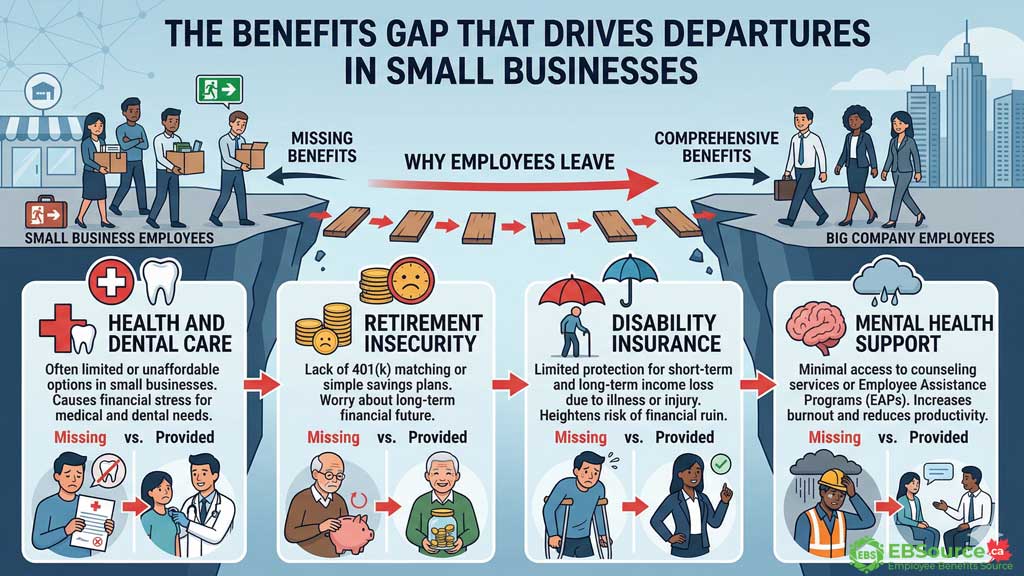
Key Local Business Medical Coverage Trends
Essential Group Business Insurance Changes for 2026

Calculating Corporate Wellness Program ROI