All Categories
Featured

Reliable Employee Assistance EAP Provider Guidance
Table of Contents
A group term life strategy typically ends when employment ends, while a long-term plan may permit conversion to a private policy. In a group life ins plan, the employer is the policyholder, and employees are the insured people.
Numerous companies use automatic payroll deductions for workers who choose voluntary or extra protection. This simpleness benefits both HR groups and personnel, motivating higher involvement and alleviating administration.
It also improves the total advantages bundle, making employers stand out. According to MassMutual, 80% of staff members say benefits affect their loyalty to a work environment.
Let us break down how to determine who qualifies, browse the enrollment process, set protection quantities, and guarantee your strategy meets the diverse requirements of your group. Eligibility for group life ins normally depends upon employment status. The majority of plans need staff members to work a minimum variety of hours per week, frequently 30 or more, to participate.
Comprehensive Business Insurance and Group Benefit Advice
Companies may set a waiting duration, such as 30 or 60 days after hire, before coverage begins. Open registration periods offer additional opportunities for workers to sign up. Age constraints can use, with some plans reducing coverage as employees approach retirement. For example, a company might offer group life ins to all staff members operating at least 30 hours each week, with coverage beginning after a 60-day waiting period.
Employees total standard forms, select coverage amounts, and name beneficiaries. Employers can improve onboarding for new hires by integrating group life ins enrollment into their benefits package.
Protection amounts in group life ins strategies are often determined by a numerous of income, a flat dollar amount, or role-based tiers. Common options include one to three times the employee's yearly income or a set quantity like $50,000 or $100,000.
Understanding Payroll Insurance Policies for Modern Groups
For instance, executives may receive higher multiples than other staff members. This approach permits companies to balance affordability and competitive advantages. Clear communication about how protection is calculated helps workers understand their group life ins defense and make notified options. Many group life ins plans deal optional buy-up protection, letting workers purchase extra protection beyond the base benefit.
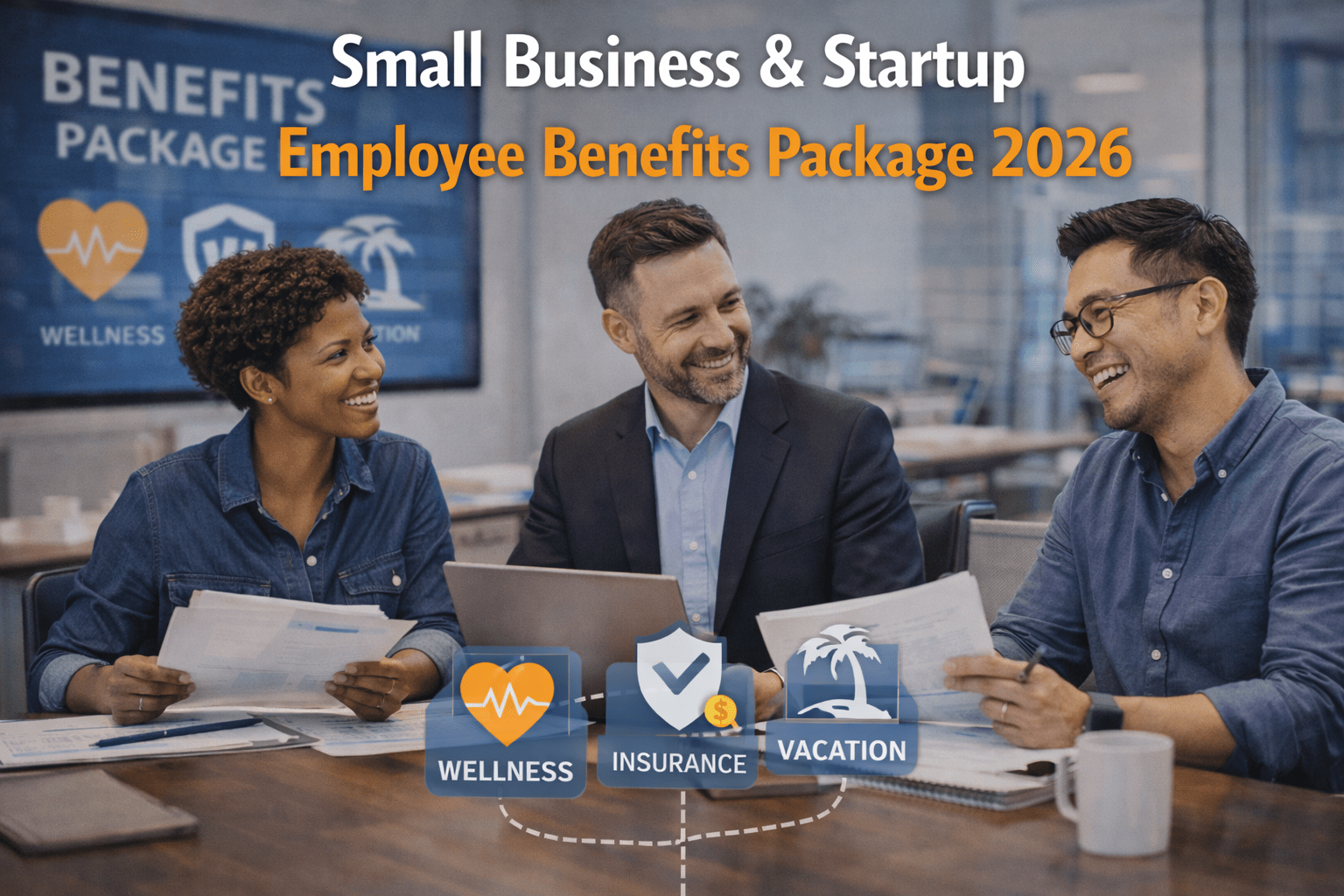
These choices are usually paid for through payroll reduction, making it simple for workers to improve their coverage. For example, an employee may choose additional group life ins for their family, supplying greater comfort at a modest extra cost. Employers benefit by providing flexibility, which can increase overall complete satisfaction with the benefits plan.
Group Benefits Mission ViejoLots of strategies consist of portability, permitting departing workers to continue coverage at higher premiums. Staff members typically have a 31-day window to transform their group life ins after leaving the company.
Comprehensive Business Insurance and Employee Benefit Advice
Companies must guarantee these information are included in advantages interactions and accessible during offboarding. Comprehending the regulative landscape is important for companies offering group life ins. Compliance with IRS rules, state guidelines, and personal privacy laws guarantees your benefits program stays efficient and risk totally free. This section breaks down the crucial tax, reporting, and legal factors to consider every employer need to understand.
Protection quantities above this limit are considered imputed earnings and must be reported on each employee's W 2 form. For example, if a staff member receives $100,000 in group life ins protection, just the value of the excess $50,000 is taxable. This quantity is determined utilizing the internal revenue service Premium Table and goes through Social Security and Medicare (FICA) taxes.
Companies providing group life ins need to report the worth of taxable coverage as imputed income on staff members' W 2 forms. This ensures proper tax for any protection surpassing the $50,000 exclusion. Social Security and Medicare taxes need to be withheld on this imputed income, even when the worker does not directly pay for the advantage.

Latest Posts
The ROI of Retention: Long Described

Tips for Workplace Well-being Program Costs

Integrating Payroll Insurance Options for Small Teams